22
Sep 2026The Power of Texture: How 3D Wall Art Brings Depth to Modern Interiors
Modern interiors are often defined by simplicity: clean lines, open spaces, neutral colors, and carefully selected furniture. But when every surface is smooth and every wall is flat, even a beautifully designed room can sometimes feel unfinished.
This is where texture becomes important.
Texture introduces depth, movement, warmth, and visual interest without requiring a room to become overly decorated. One of the most striking ways to introduce texture is through 3D textured wall art—artwork that physically extends beyond the surface and interacts with the surrounding light.
Unlike a traditional print or flat canvas, sculptural wall art changes depending on where you stand, how daylight enters the room, and even the time of day.
For modern homes, that dimensional quality can turn an ordinary blank wall into an architectural focal point.
What Makes 3D Wall Art Different?
Traditional wall art primarily communicates through color, composition, and imagery. Three-dimensional artwork introduces another element: physical depth.
Raised, folded, layered, curved, or sculpted elements project outward from the surface. As light moves across these forms, highlights appear on raised areas while shadows develop underneath them.
The artwork therefore has a constantly changing appearance.
In bright morning light, its dimensional structure may appear crisp and graphic. During softer afternoon light, shadows can become warmer and more pronounced. In the evening, indirect interior lighting can emphasize completely different parts of the texture.
This relationship between light, shadow, texture, and perspective is one of the reasons sculptural wall art can feel more dynamic than a conventional print.
You are not simply looking at an image.
You are experiencing an object within the room.
Why Texture Matters in Modern Interior Design
Modern and minimalist interiors intentionally reduce unnecessary visual clutter. This creates calm, but it also means that every decorative element becomes more noticeable.
Instead of filling a wall with many small accessories, one large piece of textured wall art can provide visual complexity while keeping the overall room clean.
Texture can also soften interiors dominated by hard architectural materials.
Think about a contemporary room containing:
- Smooth plaster walls
- Glass windows
- Stone surfaces
- Marble tables
- Metal fixtures
- Straight architectural lines
Adding handcrafted, dimensional artwork introduces an organic contrast to these harder surfaces.
The room can remain minimal while feeling warmer and more layered.
Handmade Texture Creates Natural Variation
One of the defining characteristics of handmade wall art is that every element does not need to look mechanically identical.
Small variations in shape, curve, placement, and texture create visual rhythm.
When many handcrafted elements are arranged together, those subtle differences become part of the overall composition.
This can be seen especially clearly in dimensional artwork made from repeated sculptural forms. From a distance, the artwork appears unified and organized. Move closer, however, and individual details become visible.
That creates two different viewing experiences.
From across the room, the artwork functions as a large decorative statement.
Up close, it reveals the craftsmanship and texture behind the composition.
This balance between large-scale visual impact and small handmade details is particularly effective in contemporary interiors.
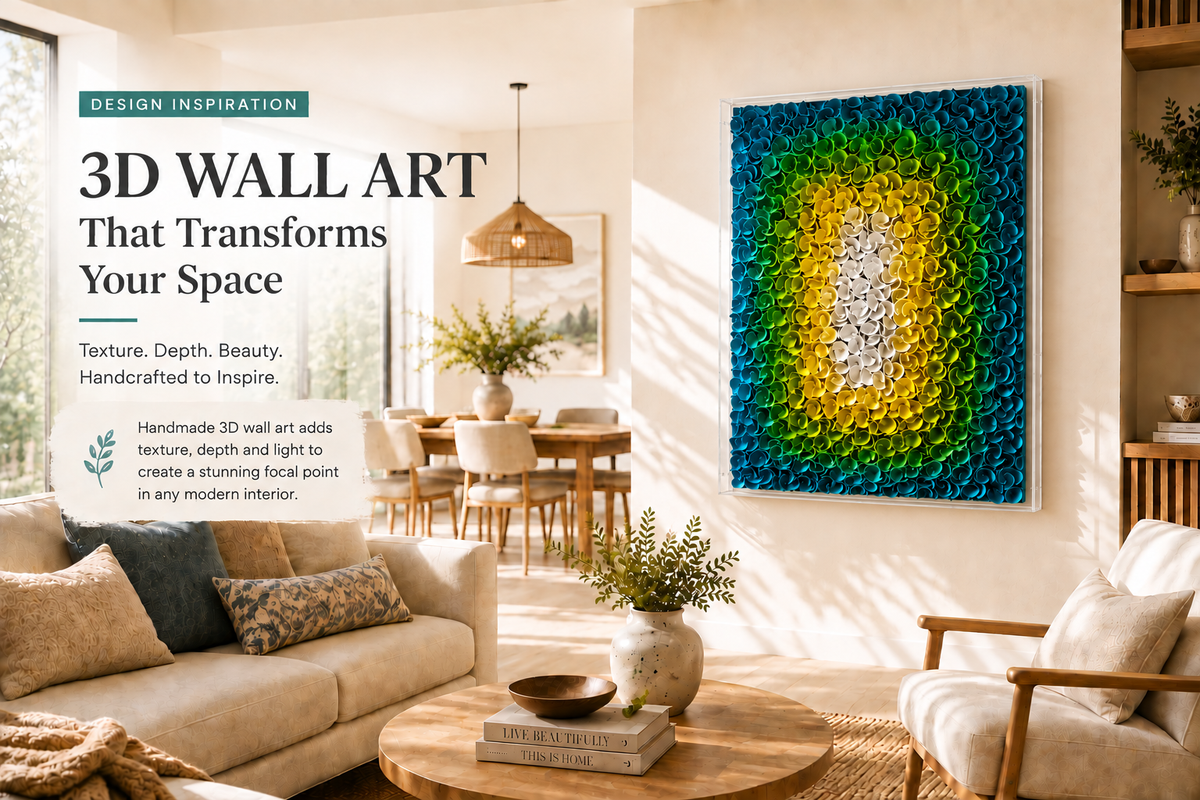
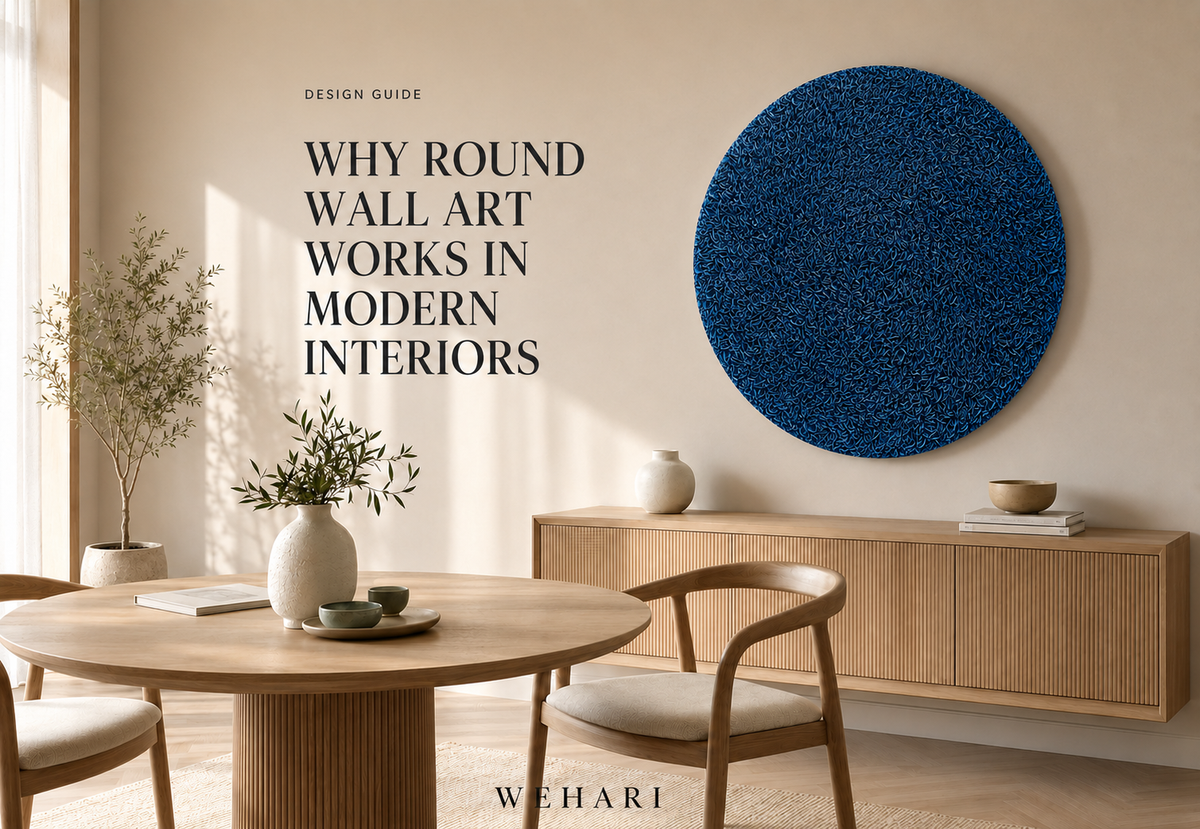
How Blue Textured Wall Art Changes a Space
Color has an important influence on how dimensional artwork feels within a room.
Blue is particularly versatile because it can function almost like a neutral when paired with white, cream, beige, natural wood, and soft gray.
A large blue 3D artwork can introduce color without making a sophisticated interior feel overly busy.
Deeper blue tones create visual weight, while lighter blue tones can make an artwork feel softer and more atmospheric.
When several shades appear within a textured surface, the raised elements create additional tonal variation through natural shadow.
This means a seemingly simple blue composition can contain significant visual complexity.
For interiors influenced by Coastal, Contemporary, Organic Modern, Scandinavian, or Modern Luxury design, blue textured artwork can create a natural connection between the room's neutral architecture and its decorative elements.
Create a Strong Focal Point
Every well-designed room benefits from a visual anchor.
In a living room, that might be a fireplace, an architectural window, or a large artwork above a sofa.
In an entryway, it may be the first piece visible when someone enters the home.
In a dining room, it can define the wall behind the dining table.
Large sculptural wall art works particularly well as a focal point because it has both visual scale and physical presence.
Instead of decorating the wall with many unrelated objects, one substantial piece can establish the mood of the entire space.
This is especially useful in open-plan American homes, where living, dining, and kitchen spaces often visually connect with one another.
A distinctive artwork can help define one area without adding physical partitions.
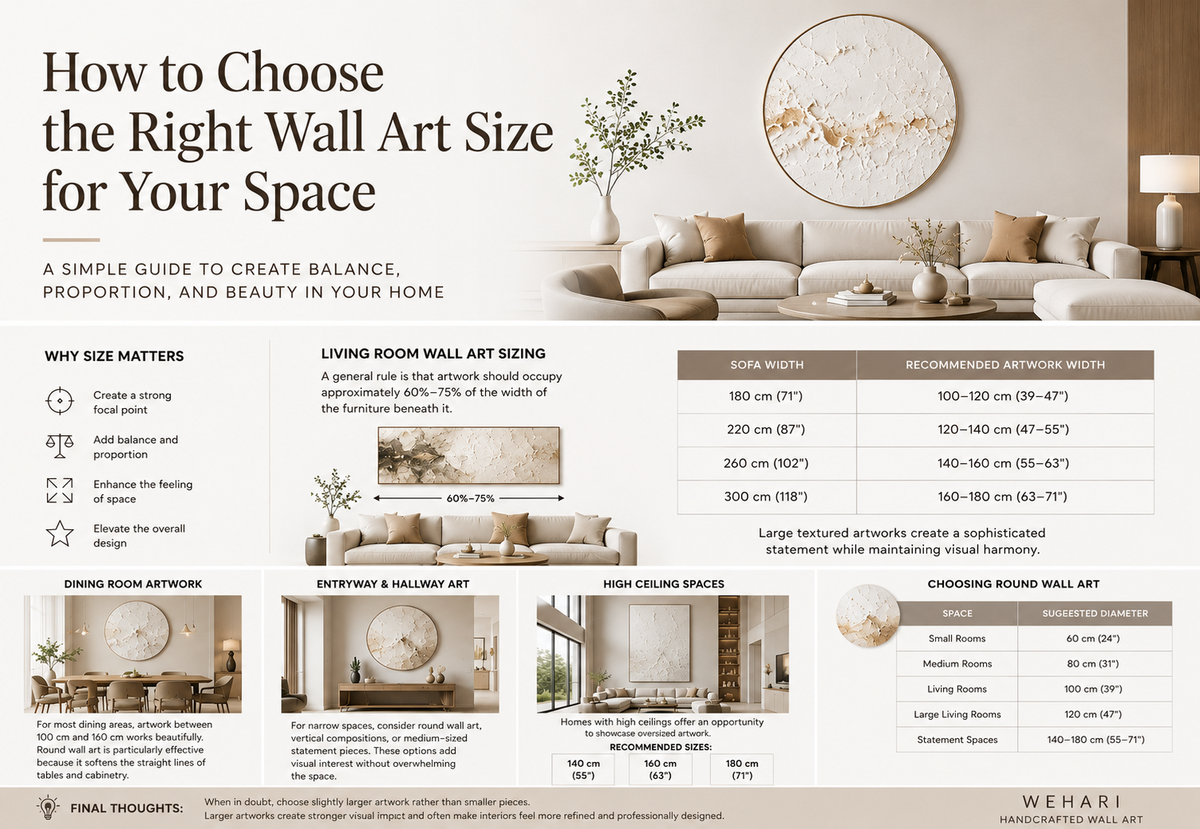
Choosing the Right Size
One of the most common mistakes when selecting wall art is choosing something too small for the available wall.
A large wall combined with a small artwork can make the artwork appear disconnected from the furniture beneath it.
Instead, consider the relationship between the artwork and nearby furniture.
For example, when placing artwork above a sofa, console table, bed, or sideboard, the artwork should feel visually connected to that furniture rather than floating independently on a large wall.
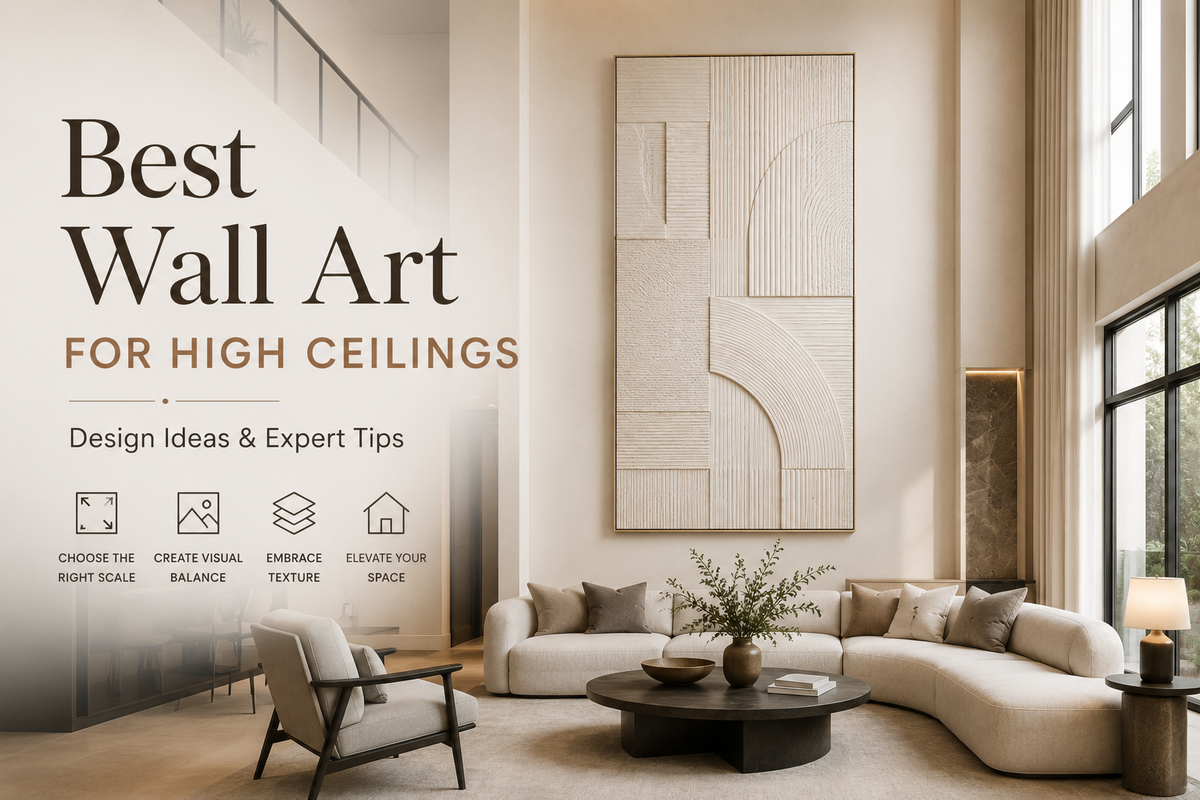
For expansive walls or rooms with high ceilings, oversized artwork can be especially effective.
Large-format 3D art provides enough visual presence to balance substantial furniture and architectural features.
For narrower walls, portrait-oriented artwork can emphasize vertical height.
For broad walls above sofas or dining furniture, landscape-oriented artwork can follow the horizontal proportions of the room.
Square artwork provides another option, particularly when you want a strong, centered composition.
Where to Display 3D Textured Wall Art
Because sculptural artwork reacts to both space and light, placement matters.
Living Room
The living room is one of the strongest locations for large textured artwork. Place it above a sofa, console, or fireplace, or use it independently on a large feature wall.
The artwork can become the visual center of the room without requiring additional wall decorations around it.
Dining Room
A large dimensional artwork can transform a dining area into a more refined and gallery-like environment.
Positioning artwork near the dining table also allows guests to appreciate its handcrafted details from relatively close distances.
Bedroom
Bedrooms generally benefit from softer visual environments.
Neutral, ivory, blush, beige, or muted blue textured artwork can introduce depth while maintaining a peaceful atmosphere.
A large piece can be displayed above the bed, opposite the bed, or on an adjacent feature wall.
Entryway
The entryway creates the first impression of a home.
A distinctive piece of sculptural artwork can immediately establish a sense of design and personality.
Tall portrait artwork is especially effective in entryways where wall width may be limited but ceiling height is generous.
Office
Modern offices often contain large areas of glass, wood, stone, and neutral wall finishes.
Textured artwork introduces a softer handcrafted element and can make an executive office, reception space, or meeting room feel less corporate and more considered.
Hallway and Staircase
These spaces are frequently overlooked.
Vertical wall art can make use of narrow hallway walls, while large pieces can complement the height and movement of a staircase.
Let Natural Light Reveal the Texture
Lighting is particularly important for three-dimensional artwork.
A flat print generally looks similar regardless of the direction of light. Sculptural artwork does not.
Side lighting can create stronger shadows between raised elements, making the dimensional structure more visible.
Natural daylight is particularly effective because it changes continuously.
Morning light may illuminate one side of the artwork. Afternoon light may reveal another.
As a result, the same piece can appear subtly different throughout the day.
This is part of the appeal of true 3D wall art: the artwork interacts with the architecture around it.
When planning placement, consider walls near windows or areas receiving soft indirect daylight.
You do not necessarily need intense direct sunlight. Even gentle directional light can reveal significant texture.
Pair Textured Art With Simple Furniture
When the artwork itself contains substantial texture, the surrounding décor does not need to compete with it.
A restrained interior often provides the strongest backdrop.
Consider pairing dimensional wall art with:
Natural wood furniture, cream or beige upholstery, stone or marble surfaces, simple ceramics, linen textiles, subtle greenery, and understated metal accents.
This allows the artwork's texture to remain the focal point.
For a blue sculptural piece, warm wood and cream upholstery can create an especially attractive contrast.
For ivory or neutral artwork, darker wood, black accents, or natural stone can provide definition.
For blush pink artwork, warm beige, walnut, ivory, and muted brass tones can create an elegant and sophisticated palette.
Organic Modern and 3D Wall Art
Organic Modern design has become especially compatible with handcrafted dimensional artwork because both emphasize texture, natural forms, and restrained color palettes.
An Organic Modern room may use relatively few colors, yet still feel rich because it combines different surfaces:
Smooth stone.
Natural wood grain.
Soft upholstery.
Woven fabrics.
Handmade ceramics.
Sculptural wall textures.
The visual interest comes from materials and depth rather than excessive decoration.
Handmade 3D wall art fits naturally into this approach because it functions simultaneously as art, texture, and sculptural décor.
A Different Approach to Minimalism
Minimalism does not have to mean empty white walls.
A room can remain visually calm while containing a highly detailed artwork.
The key is concentration.
Instead of distributing dozens of decorative objects throughout the room, allow one carefully selected piece to carry much of the visual interest.
From a distance, a monochromatic or limited-color textured artwork may appear simple.
Only when you approach it do you discover hundreds of individual shapes and handcrafted details.
That makes dimensional artwork particularly suitable for sophisticated minimalist interiors.
It offers complexity without clutter.
Protecting Dimensional Artwork
Three-dimensional artwork requires different consideration from a conventional framed print because its surface extends outward.
A clear acrylic protective cover can provide a practical solution.
The transparent enclosure helps protect delicate dimensional elements from dust and accidental contact while still allowing the sculptural surface to remain visible.
Because the acrylic cover has depth, viewers can still appreciate the shadows and dimensional construction inside.
This is particularly useful for artwork displayed in frequently used spaces such as living rooms, dining rooms, entryways, offices, hotels, and reception areas.
Handmade Art Brings Character to the Home
Mass-produced décor can make a room look finished, but handmade artwork can give it character.
Small variations are an inherent part of handmade production.
Two handcrafted pieces based on the same design may contain subtle differences in texture, arrangement, or shape.
Rather than being defects, these variations reflect the process through which the artwork was created.
They remind us that someone shaped, arranged, and assembled the individual components rather than simply reproducing an image through printing.
For homeowners who want interiors to feel personal rather than generic, this distinction can be meaningful.
How to Choose the Right 3D Wall Art for Your Home
Before choosing a piece, consider three things: scale, color, and surroundings.
Start with scale.
Look at the entire wall rather than the artwork alone. Consider the furniture underneath it, ceiling height, nearby windows, and how far away viewers will typically stand.
Next, consider color.
The artwork does not necessarily need to match your furniture exactly. Often, a complementary color creates a more interesting result.
Finally, think about texture.
If the room already contains many patterns and decorative objects, a simpler sculptural composition may provide balance.
If the room is minimal and neutral, a highly textured artwork can become the element that gives the space personality.
More Than Decoration
The most successful wall art does more than fill an empty space.
It influences how the entire room feels.
Three-dimensional wall art introduces a quality that photographs and flat prints cannot fully reproduce: physical presence.
You can see the raised forms.
You can observe the shadows.
You can move through the room and experience the composition from different perspectives.
And as daylight changes, the artwork changes with it.
That interaction between craftsmanship, texture, light, color, and architecture is what makes sculptural wall art particularly compelling in modern interiors.
Bring More Depth to Your Walls
A blank wall is an opportunity to introduce something more than color.
With handmade 3D textured wall art, the wall itself can become part of the visual experience.
Whether you choose calming blue, warm ivory, soft blush pink, or another natural palette, dimensional artwork can bring depth and character to living rooms, bedrooms, dining rooms, entryways, offices, and other contemporary spaces.
For homes built around Modern, Organic Modern, Japandi, Scandinavian, Coastal, Minimalist, or Contemporary aesthetics, textured wall art offers a simple idea with a powerful effect:
Instead of adding more decoration, add more dimension.


Why 3D Textured Wall Art Is Transforming Modern Interiors
Why 3D Wall Art Is Becoming a Statement Piece in Modern Interiors
Why Round Wall Art Works in Modern Interiors
Best Wall Art for High Ceilings: Design Ideas & Expert Tips

Why Handmade Wall Art Is Worth the Investment
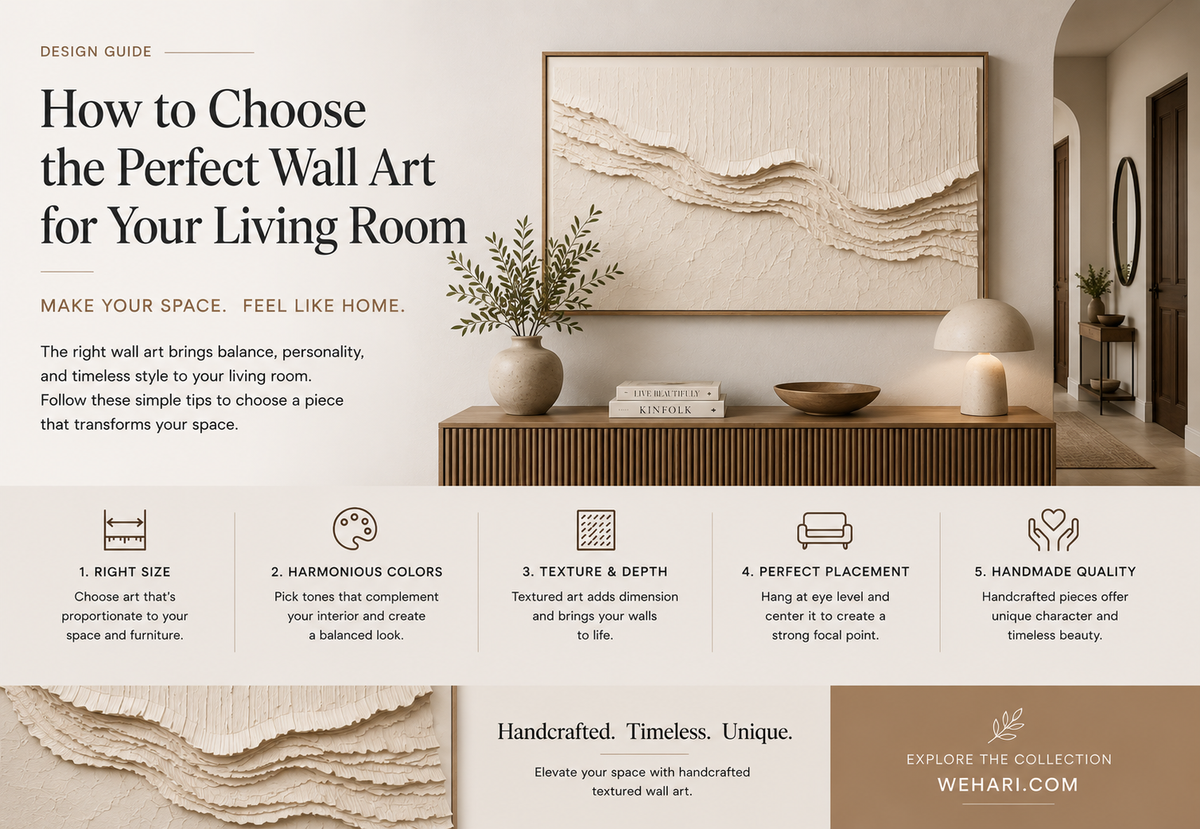
How to Choose the Perfect Wall Art for Your Living Room
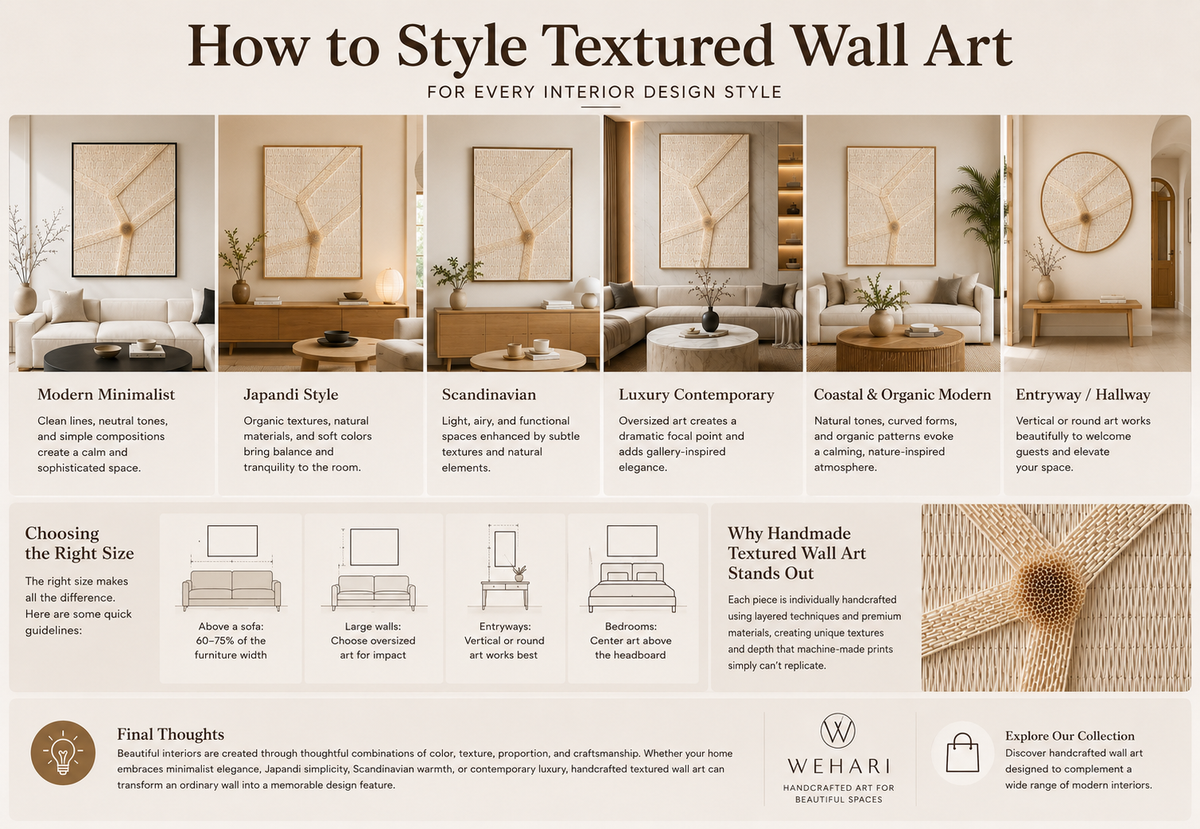
How to Style Textured Wall Art for Every Interior Design Style
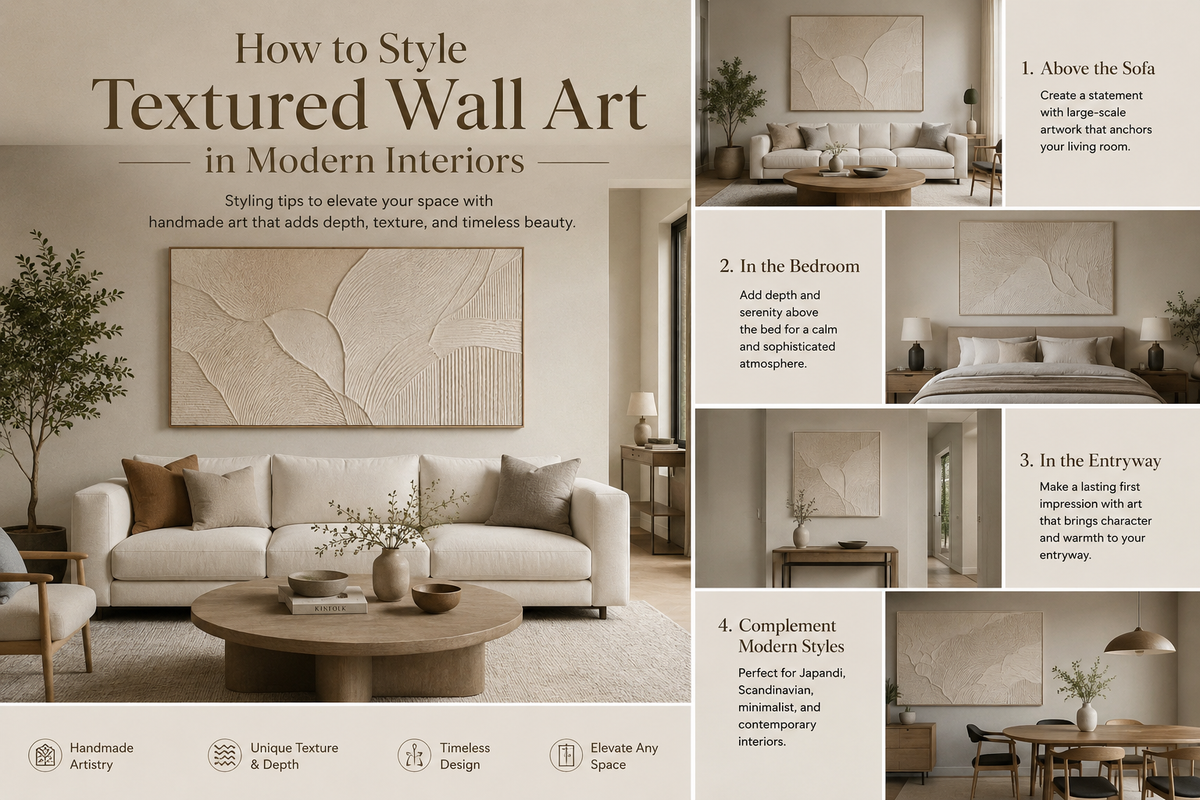
How to Style Textured Wall Art in Modern Interiors
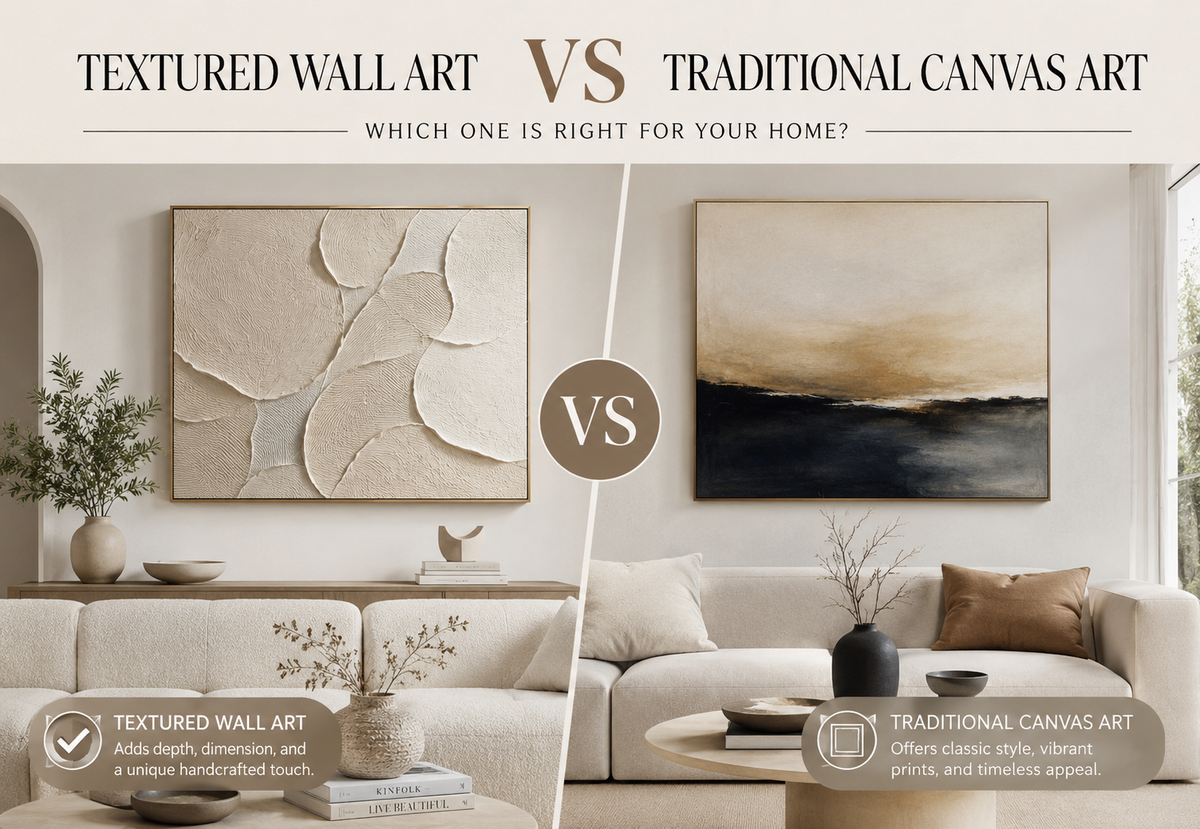
Textured Wall Art vs Traditional Canvas Art: Which One Is Right for Your Home?