29
Jul 2026Why Round Wall Art Works in Modern Interiors
Modern interiors are often defined by straight architectural lines, clean furniture silhouettes, rectangular windows, and structured layouts. Although these elements create a calm and organized space, too many hard angles can sometimes make a room feel rigid. Round wall art introduces a softer shape that visually balances those straight lines while adding character, movement, and warmth.
From minimalist living rooms to contemporary dining spaces, circular artwork offers a refreshing alternative to traditional rectangular wall décor. When handcrafted from layered paper or other tactile materials, it also brings depth and texture into the room, transforming a simple wall into an expressive focal point.
1. Round Wall Art Softens Straight Architectural Lines
Most rooms contain repeated rectangular shapes: doors, windows, cabinets, tables, rugs, and framed pictures. A circular artwork interrupts this repetition in a gentle and intentional way. Its curved outline creates contrast without making the room feel visually busy.
This makes round artwork especially effective in modern, minimalist, Scandinavian, and Japandi-inspired interiors. These styles rely on simplicity, but they still need subtle variation to prevent the space from appearing too cold or predictable.
A single round piece placed above a console, sideboard, dining table, or reading area can soften the surrounding geometry and make the entire arrangement feel more balanced.
2. It Creates a Natural Focal Point
The human eye is naturally drawn to shapes that differ from their surroundings. Because most wall decorations and architectural features are rectangular, a round piece immediately stands out. Its continuous outline guides the eye around the artwork and helps establish a clear visual center.
This does not mean the artwork needs to be excessively bright or decorative. A carefully designed circular piece can create impact through its form, texture, and craftsmanship alone. In a neutral interior, this approach allows the artwork to attract attention while preserving a calm and sophisticated atmosphere.
For a strong focal point, display one substantial round artwork on an otherwise uncluttered wall. Give it enough surrounding space so that its shape and three-dimensional details can be appreciated.
3. Curved Forms Bring Balance and Visual Flow
Curves naturally suggest movement and continuity. They allow the eye to travel around a room more smoothly, connecting furniture, lighting, and decorative elements that might otherwise feel separate.
Round wall art can also echo other curved features in the room, such as a circular dining table, pendant light, sculptural vase, rounded chair, or arched doorway. Repeating curved forms in a controlled way creates harmony without requiring every object to match.
The result is an interior that feels thoughtfully composed rather than overly coordinated. This balance between straight and curved elements is one reason circular wall décor works so well in contemporary homes.
4. Textured Paper Adds Depth Without Overwhelming the Room
Shape is only one part of the visual experience. Material and surface texture also influence how artwork interacts with its surroundings. Handcrafted textured paper wall art uses folded, curled, cut, or layered paper elements to create genuine three-dimensional depth.
Unlike a flat printed image, layered paper responds to its environment. Natural daylight highlights raised areas, while small shadows appear between individual paper elements. As the light changes throughout the day, the artwork can reveal different details and tonal variations.
This subtle interaction makes textured wall art visually engaging without relying on an overly complex composition. It is particularly suitable for modern interiors where every decorative element is expected to feel intentional.
5. Round Artwork Is Versatile Across Different Rooms
Circular wall art can adapt to many areas of the home. Its soft outline makes it suitable for both formal rooms and relaxed personal spaces.
- Living room: Display it above a sofa, console, fireplace, or accent chair to create a central point of interest.
- Dining room: Use round artwork to complement a dining table or soften the straight lines of a sideboard.
- Entryway: Place it above a narrow console to give guests an immediate introduction to the style of the home.
- Bedroom: Choose a calming design to add texture above a dresser or beside a reading corner.
- Hallway: Use the distinctive circular shape to add interest to a transitional area without adding bulky decoration.
If you are deciding where and how to display a statement piece, our guide to choosing wall art for your living room offers additional placement ideas.
6. It Complements a Wide Range of Interior Styles
Round wall art is not limited to one decorating style. Its final effect depends on its colors, materials, texture, and surrounding furnishings.
- Modern interiors: Choose clean compositions, restrained colors, and sculptural textures.
- Minimalist interiors: Use one round statement piece with plenty of open wall space.
- Coastal interiors: Look for ocean-inspired blues, turquoise tones, ivory, and organic textures.
- Japandi interiors: Combine handcrafted paper art with natural wood, warm neutrals, and simple furniture.
- Eclectic interiors: Select a more colorful design and use it to connect different tones around the room.
The circular form remains visually soft and approachable even when the artwork contains bold color or intricate texture. This makes it easier to incorporate into an existing interior than many highly angular statement pieces.
7. Handcrafted Art Adds Individuality
Modern spaces can quickly feel impersonal when every decorative element is mass-produced. Handmade artwork introduces evidence of the artist’s process through small variations in shape, layering, positioning, and texture.
Each piece of paper must be prepared and arranged by hand to form the finished composition. These handcrafted details give the artwork a human quality that cannot be fully reproduced by a flat print or automated manufacturing process.
At Wehari, pieces such as Ocean Rhythm handcrafted textured paper wall art combine an organic circular silhouette with carefully layered paper textures. The result is a sculptural work designed to bring movement, depth, and artisanal character into contemporary spaces.
How to Style Round Wall Art
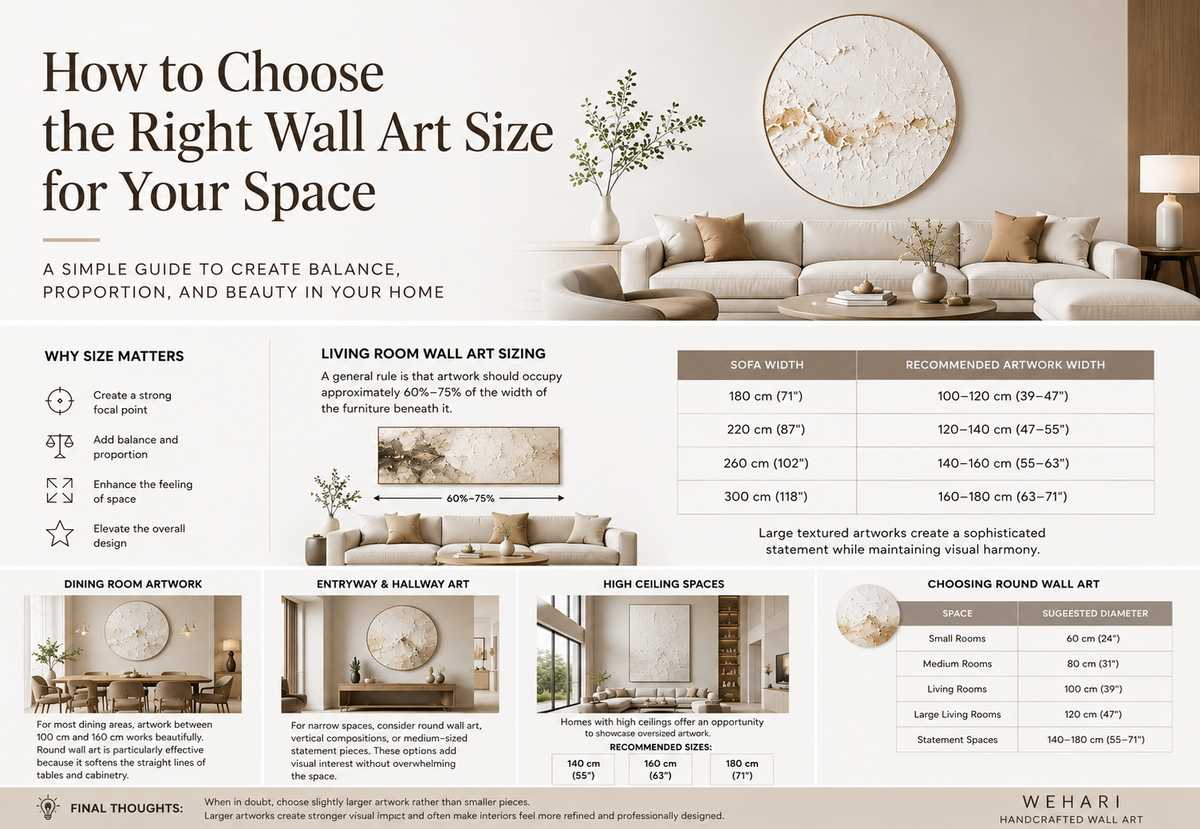
Round wall art is most effective when its shape has enough room to remain visually distinct. Avoid surrounding a large circular piece with too many small decorations. Instead, allow some open space around it and use nearby furniture to anchor the composition.
When hanging artwork above a console, sofa, or sideboard, align the center of the piece with the furniture rather than the entire wall. This creates a stronger relationship between the artwork and the objects beneath it.
You can also repeat one or two of the artwork’s colors through cushions, ceramics, books, or other small accessories. The repetition should remain subtle—the artwork should connect with the room without making every element look identical.
Before selecting a piece, consider both the available wall area and the scale of nearby furniture. Our wall art size guide can help you choose proportions that feel balanced.
Discover Handcrafted Round Wall Art
Round wall art brings together softness, balance, texture, and visual movement. It offers a simple way to break up straight architectural lines while creating a distinctive focal point. When made by hand from layered paper, it also introduces depth and craftsmanship that change subtly with the surrounding light.
Whether displayed in a living room, dining room, bedroom, or entryway, a circular artwork can make a modern interior feel warmer and more personal.
Explore Wehari’s handcrafted round wall art collection and discover textured pieces created to bring dimension and artistic character to contemporary homes.


Why 3D Textured Wall Art Is Transforming Modern Interiors
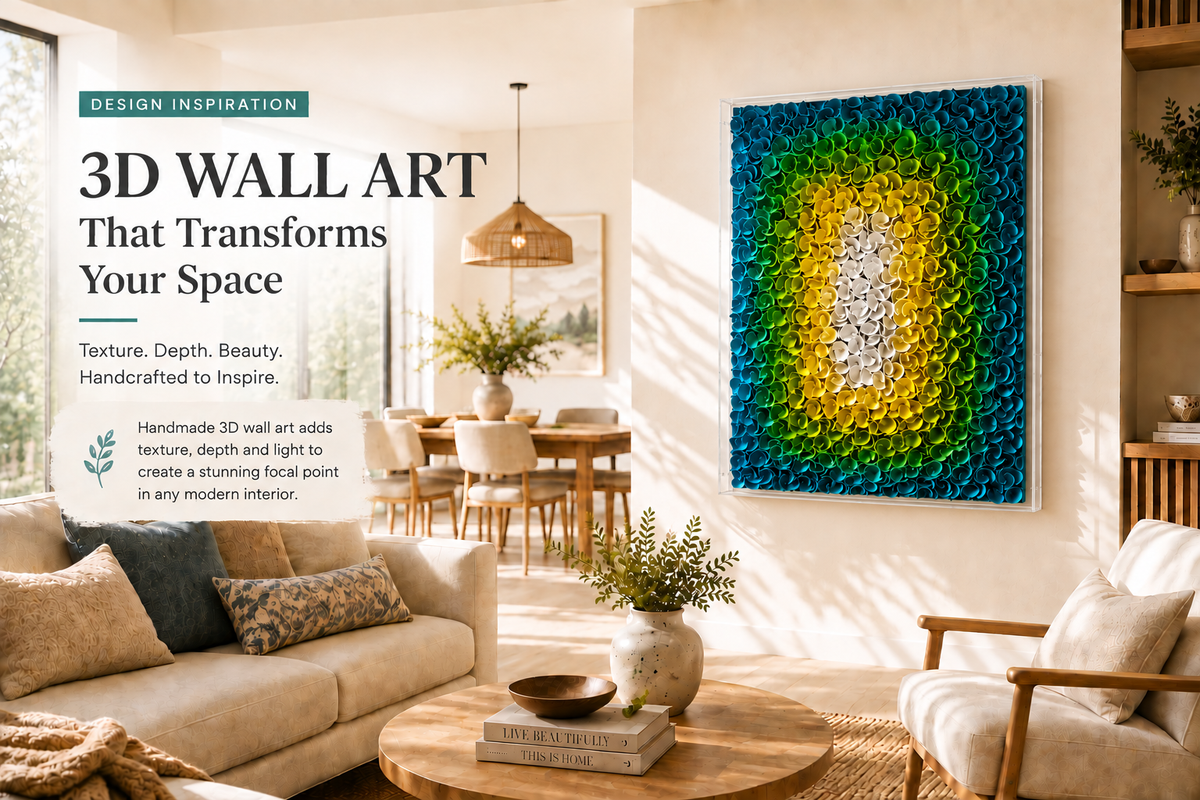
Why 3D Wall Art Is Becoming a Statement Piece in Modern Interiors
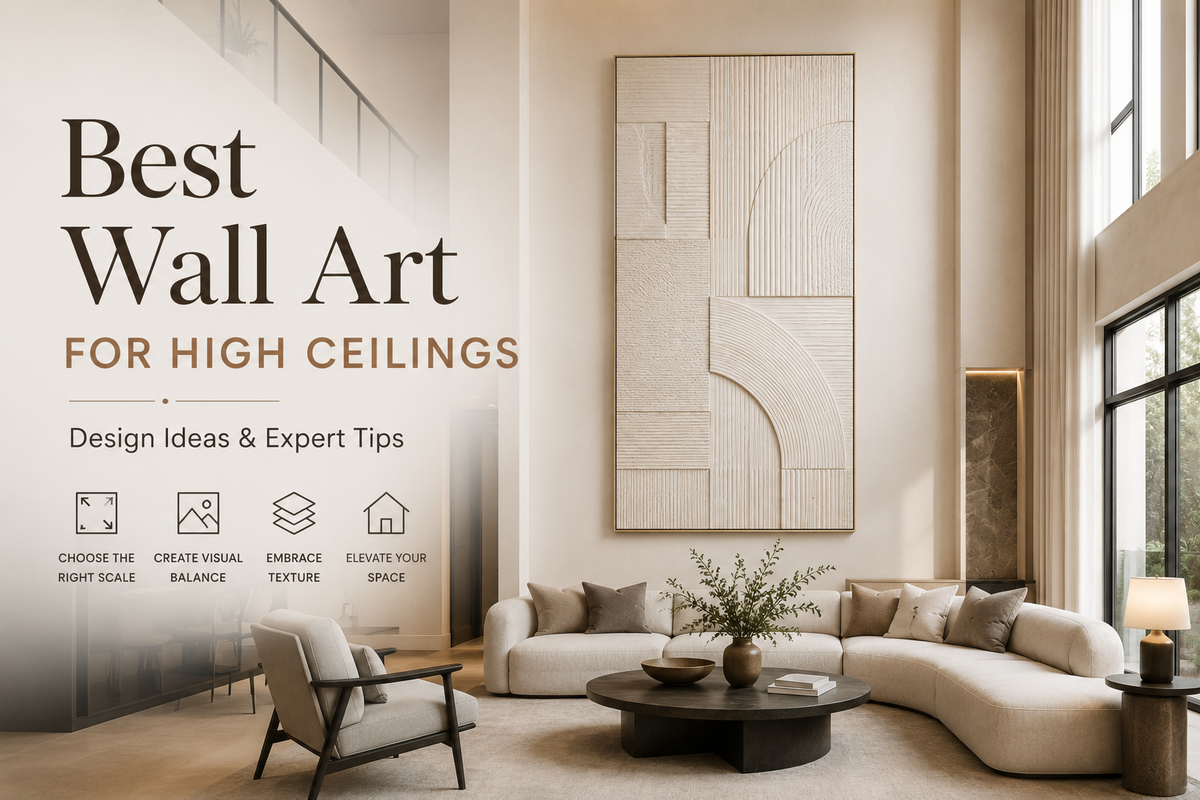
Best Wall Art for High Ceilings: Design Ideas & Expert Tips
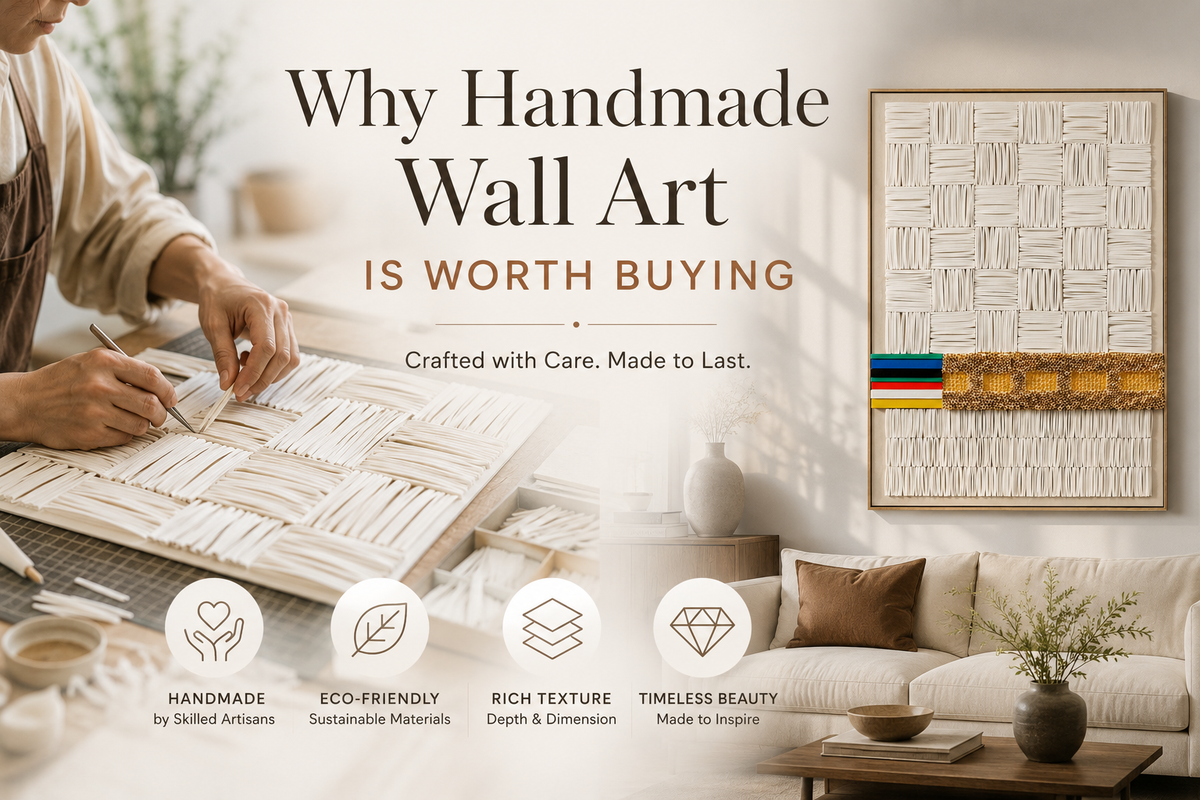
Why Handmade Wall Art Is Worth the Investment
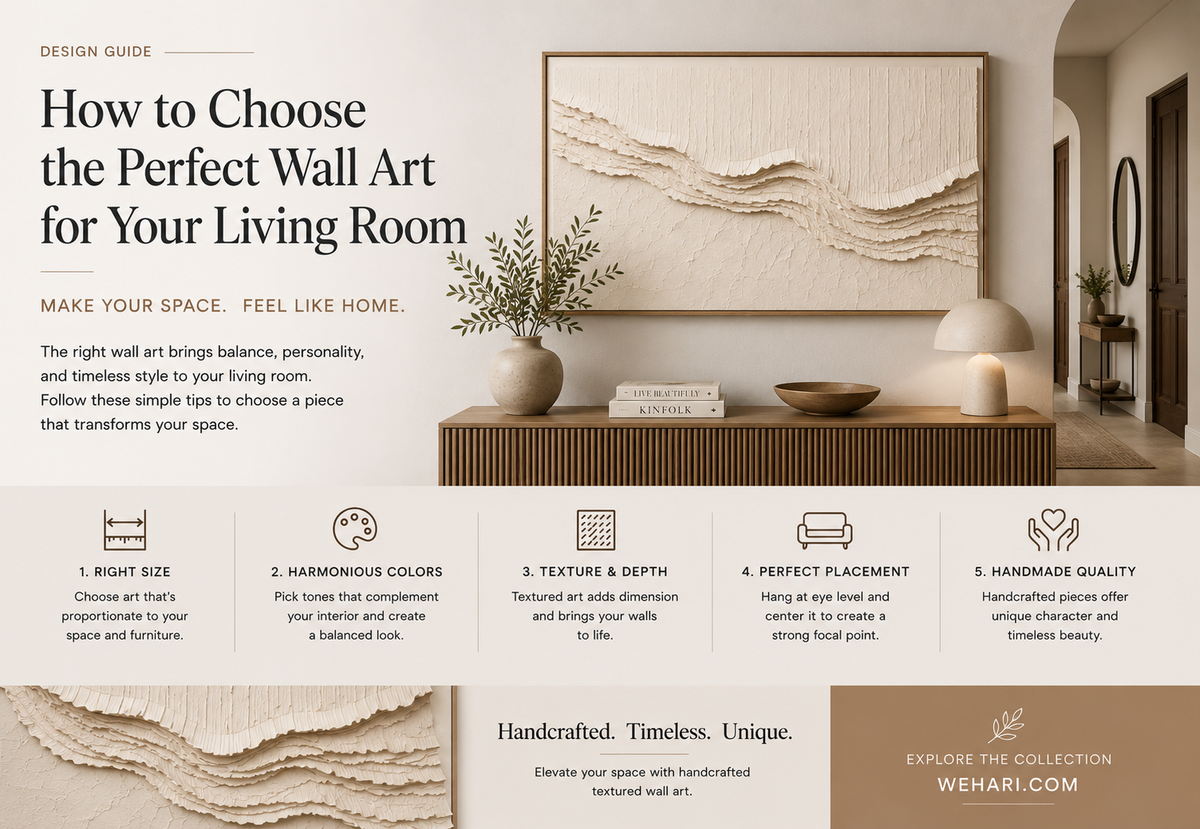
How to Choose the Perfect Wall Art for Your Living Room
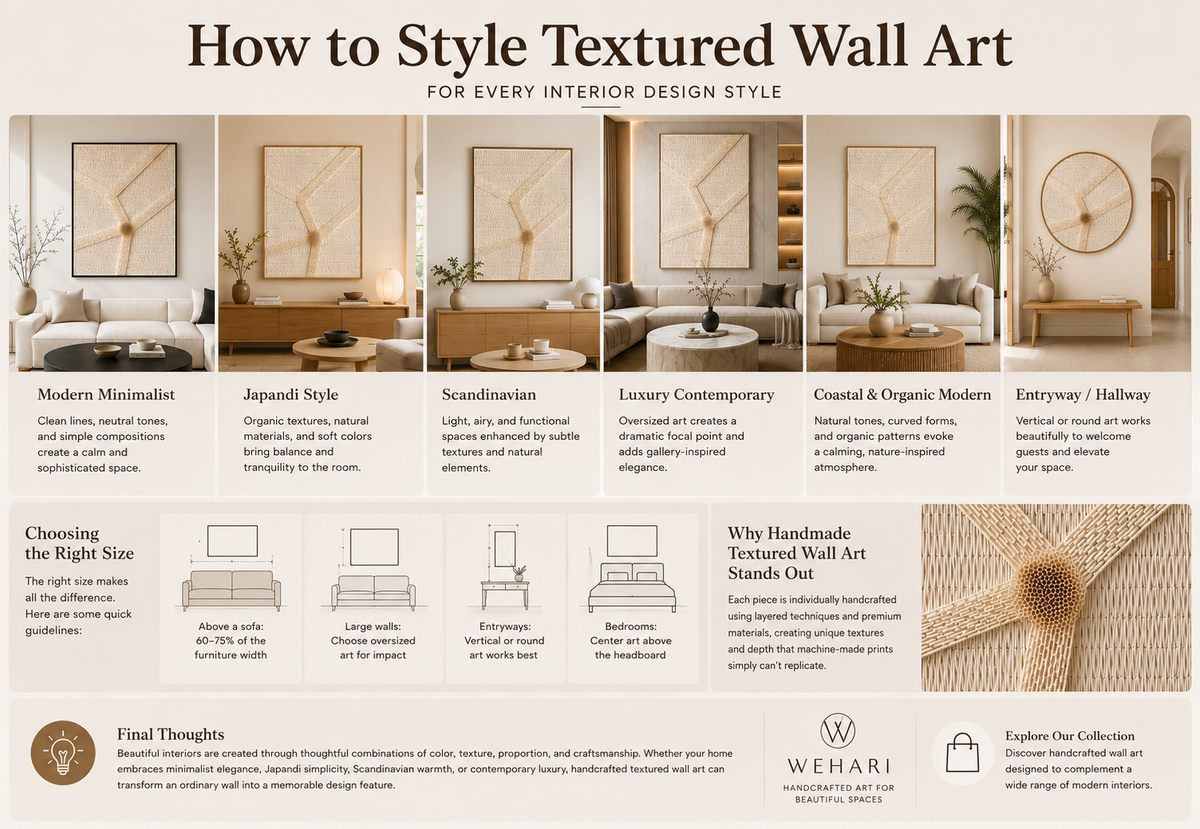
How to Style Textured Wall Art for Every Interior Design Style
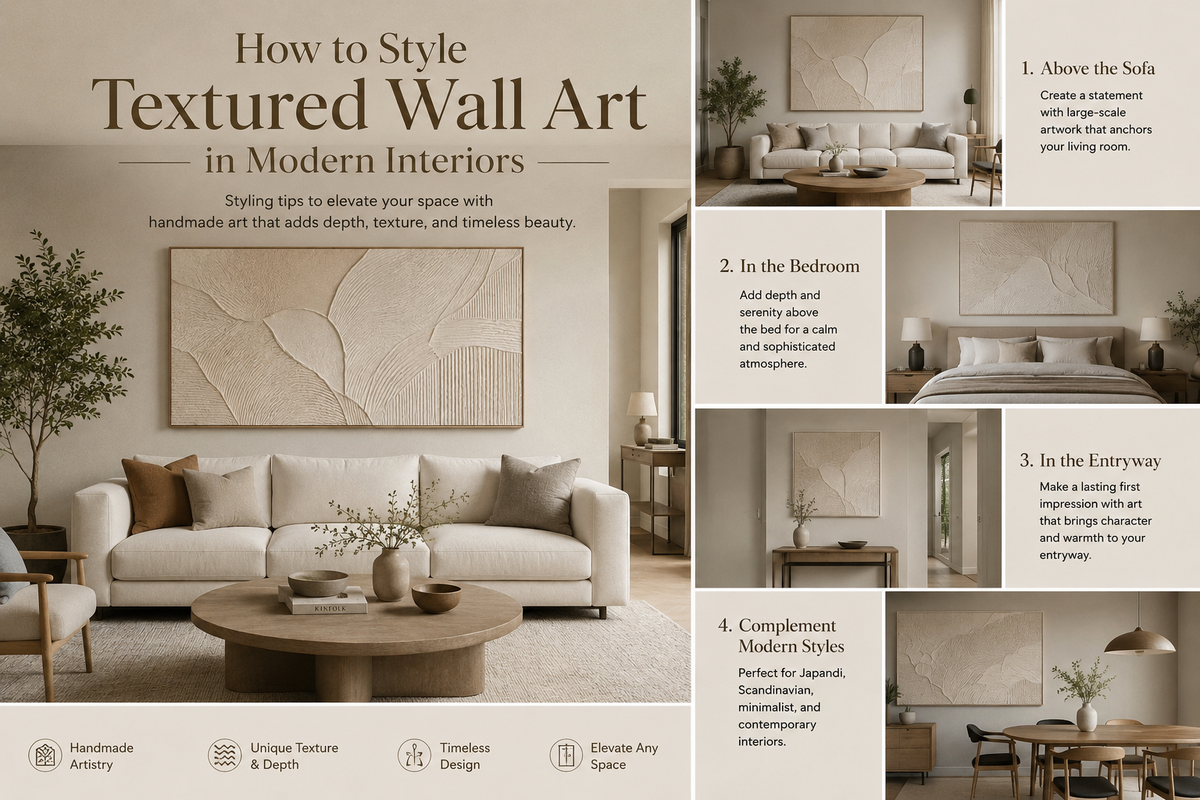
How to Style Textured Wall Art in Modern Interiors
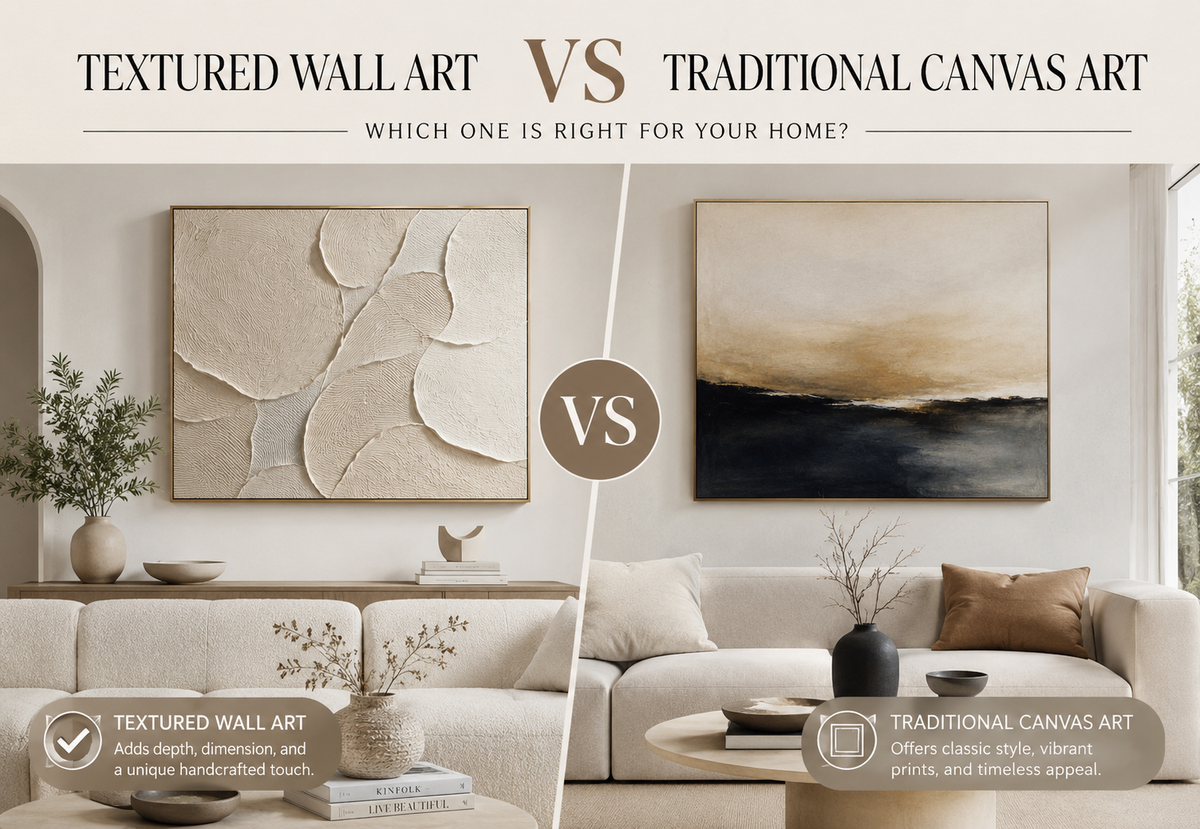
Textured Wall Art vs Traditional Canvas Art: Which One Is Right for Your Home?